
Winter
Baku in Winter: What It Is Actually Like
Mild, windy and almost empty. What works between November and March, and what does not.
Baku in winter is the version of the city almost nobody sees, and it is better than its reputation. It does not freeze, it rarely snows meaningfully, and the things that make the capital worth visiting are all still open and almost entirely empty.
What it is instead is windy. Persistently, memorably windy, off a cold Caspian, and that single fact explains most of the difference between the temperature on your phone and what it feels like on the Boulevard.
This is an honest account of the season: what genuinely works between November and March, what closes, and whether the trade is worth making.
The short version
- Baku rarely drops far below freezing. The problem is wind chill, not cold.
- Snow in the city is occasional and does not usually last. The mountains are a different matter.
- Museums, the Old City and the fire sites stay open and are at their quietest.
- Hotel rates are at their annual low outside the New Year holiday.
- Daylight is short, so an outdoor itinerary needs an earlier start than in summer.
- Mountain access is the real constraint: higher passes close and Khinalig becomes difficult.
The weather, without the brochure
Baku sits on an exposed peninsula in the Caspian, and the climate that produces is mild by the standards of its latitude and unpleasant in a specific way. Winter daytime temperatures typically hover a little above freezing to the high single figures. Hard frost happens but is not the norm, and heavy snow in the city is unusual enough that it makes the news when it arrives.
The wind is the defining feature. It is strong enough and constant enough that the city's name is popularly linked to a phrase meaning city of winds, and in winter it takes a mild temperature and makes it feel considerably colder. A windproof outer layer does more for you here than a thick one.
Rain is more common than snow, and the combination of wind and wet is what catches visitors out. The upside is clarity: on a clear cold day the light across the bay is better than anything the summer haze produces.
Daylight is the other adjustment. Sunset comes early, which matters for an itinerary built around outdoor sights, though it helps with one thing specifically, covered below.
What is genuinely better in winter
The emptiness, first and most importantly. The Palace of the Shirvanshahs, the Carpet Museum, the Heydar Aliyev Center and the Old City lanes in January are a different experience from the same places in July. No queues, no groups, and the kind of unhurried looking that the summer crowd makes impossible.
Prices follow. Hotel rates in central Baku fall to their lowest of the year outside the New Year week, and the difference is substantial rather than marginal. The same budget buys a noticeably better room.
Yanardag benefits from the early sunset in a way nothing else does. The burning hillside is overwhelmingly better after dark, and in winter dark arrives in the late afternoon rather than after nine, which means you can see it properly without building the whole day around a late finish.
The tea houses make sense in winter in a way they do not in August. Sitting over a pot in a warm room while the wind works on the windows outside is the correct way to experience that institution.
What is harder
Mountain access is the real limitation. Snow closes the higher passes, the road to Khinalig is normally impassable or requires a four wheel drive from roughly October to April, and routes that are straightforward in June may not be available at all.
This does not rule out the mountains. Shahdag is at its best, Quba is reachable and atmospheric under snow, and the Candy Cane Mountains are more dramatic with snow on the red rock. What it rules out is improvising, and it means any mountain itinerary in winter needs the vehicle and the route decided against actual conditions rather than a map.
The Boulevard is less pleasant. It is a seafront promenade in a gale, which is exactly as appealing as it sounds on the worst days, though on a clear calm afternoon it is still the best walk in the city.
Some seasonal operations run reduced hours, and a few outdoor attractions shorten their day with the light. Nothing central closes for the season, but it is worth confirming hours before a special trip rather than assuming summer timings.
The New Year exception
One window behaves completely differently. From around the last week of December into the first week of January, domestic and regional demand peaks hard. Hotel rates multiply, the mountain resorts fill, restaurants need booking and the quiet that defines the rest of winter disappears.
Baku does New Year properly, with lights through the centre and a genuine sense of occasion, so this is a reason to come rather than only a warning. But it is the opposite of the low season experience, and arriving expecting empty museums and cheap rooms would be a surprise.
Book well ahead for that window, or sit either side of it. Mid January through February is the quietest and cheapest stretch of the entire year.
What to pack
A genuinely windproof outer layer. This is the single most useful item and the one most visitors get wrong, arriving with something warm but porous that the Caspian wind goes straight through.
Layers rather than one heavy coat, because the difference between Baku and the mountains on the same day can be fifteen degrees, and indoor heating is enthusiastic.
Shoes with grip and some water resistance. The Old City is cobbled and uneven and becomes slick in rain, and the Gobustan trail is exposed.
A hat that stays on. Gloves. Nothing exotic, but the wind makes the difference between comfortable and miserable larger than the temperature suggests.
If you are going up to Shahdag or Tufandag, proper winter kit, though skis and boots can be hired at both resorts rather than flown in.
Which itineraries work
Everything inside the city works all winter. A Baku city day is arguably better in January than July, and the certified guide on that day matters more when the weather may push you indoors and the decision about what to see next needs making on the spot.
Gobustan and the Absheron fire sites work well. The sites are exposed and the day is cold, but they are not snow dependent, and Yanardag in winter darkness is the best version of it.
The Shahdag day works and is the reason to come for a lot of winter visitors, with the caveat that the vehicle and the final approach depend on conditions.
The western route to Shamakhi, Lahij and Gabala is viable but needs more flexibility. The Lahij road is slow and mountainous and poor conditions can rule it out on a given day.
Khinalig, realistically, does not. The seven day itinerary includes it and the document is explicit that the road needs a four wheel drive from October to April. We would rather re-route that day around Quba than take you up a mountain road that should not be driven.
Frequently asked questions
How cold does Baku get in winter?
Milder than most people expect, typically a little above freezing to the high single figures in the day. Hard frost happens but is not the norm. The wind off the Caspian is the real issue and makes it feel considerably colder than the temperature suggests.
Does it snow in Baku?
Occasionally, and it does not usually last. Meaningful snow in the city is unusual enough to be notable. The mountains two to three hours away are a completely different matter and hold a real snowpack through the season.
Is Baku worth visiting in winter?
Yes, particularly for culture rather than landscape. Museums are empty, the Old City has no queues, hotel rates are the lowest of the year, and Yanardag is better because darkness falls in the late afternoon rather than after nine.
What should I pack for Baku in winter?
A genuinely windproof outer layer above everything else, then layers rather than one heavy coat, shoes with grip and some water resistance for the cobbles, and a hat that stays on. The wind matters more than the temperature.
Are tours still available in winter?
Yes. City days, Gobustan and the fire sites run all season. Mountain days run too, with the route and vehicle decided against actual conditions. The Khinalig road normally needs a four wheel drive from October to April and is sometimes impassable.
When is the quietest time to visit Baku?
Mid January through February. The New Year week from late December into early January is the exception and is genuinely busy, with hotel rates multiplying and the mountain resorts full.
Places mentioned in this guide
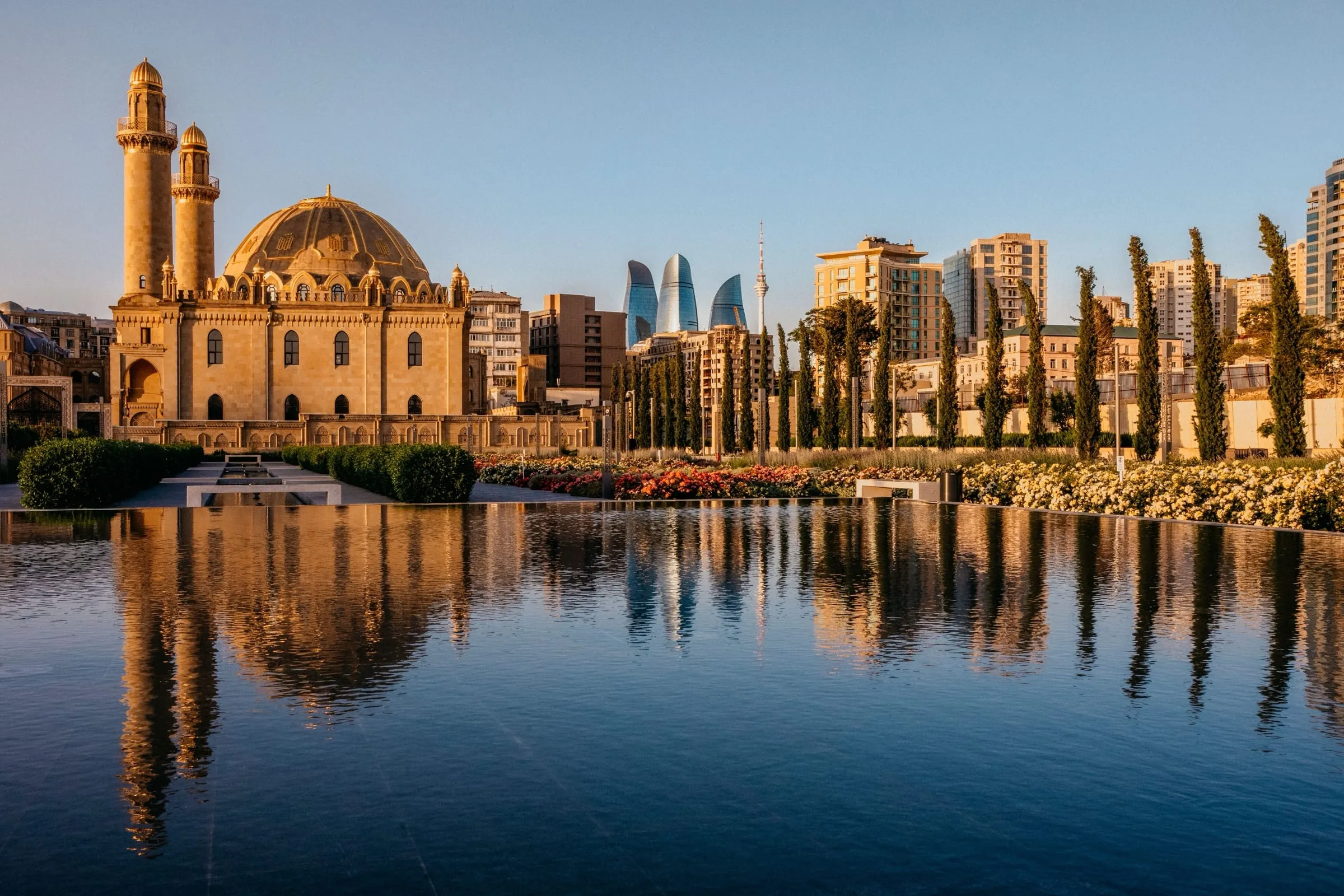
Baku
Azerbaijan's capital on the Caspian. A UNESCO-listed walled Old City ringed by modern towers and seafront parkland.
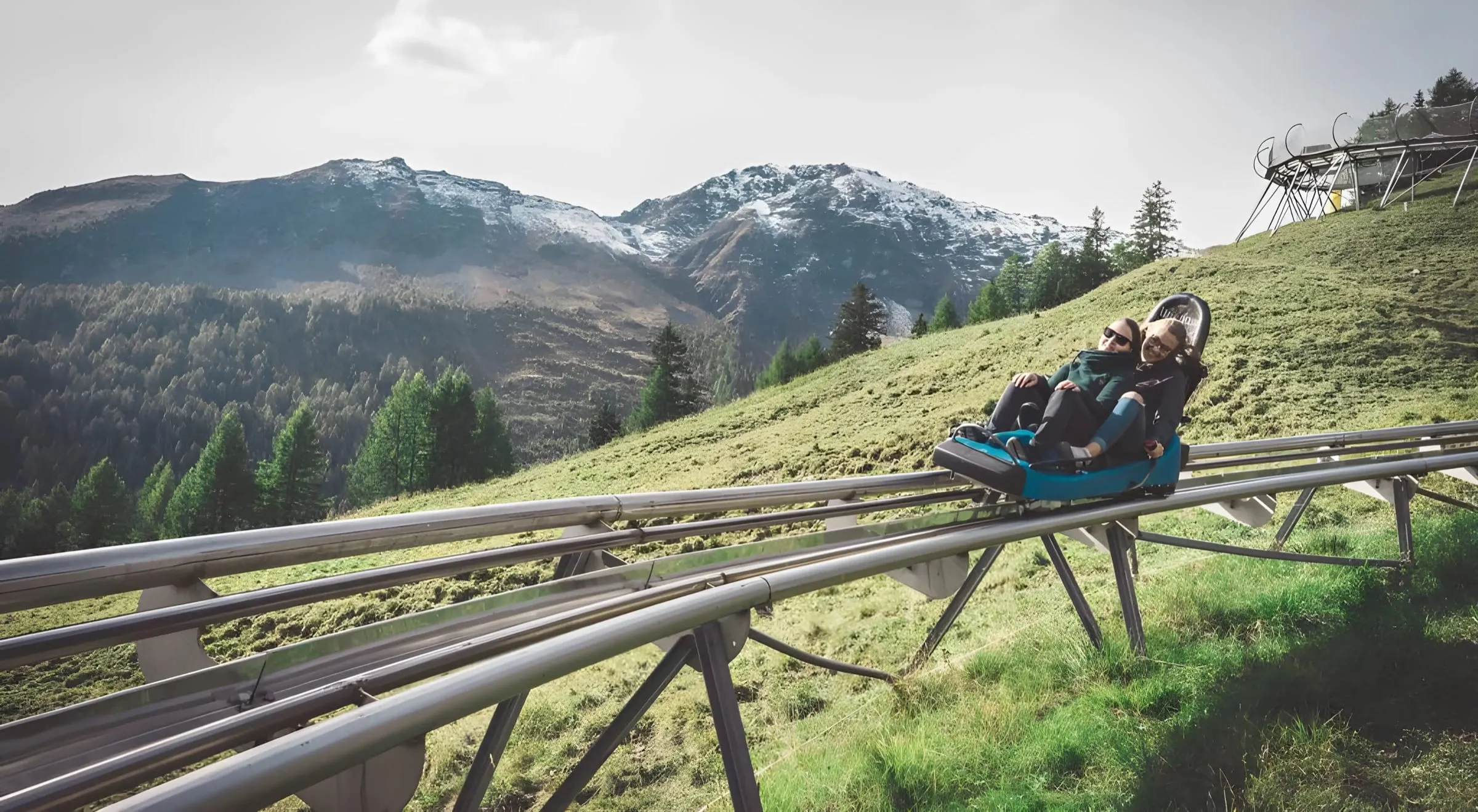
Shahdag
Azerbaijan's flagship mountain resort. Winter skiing, and cable cars, ziplines and paragliding the rest of the year.
Included in 5 tours
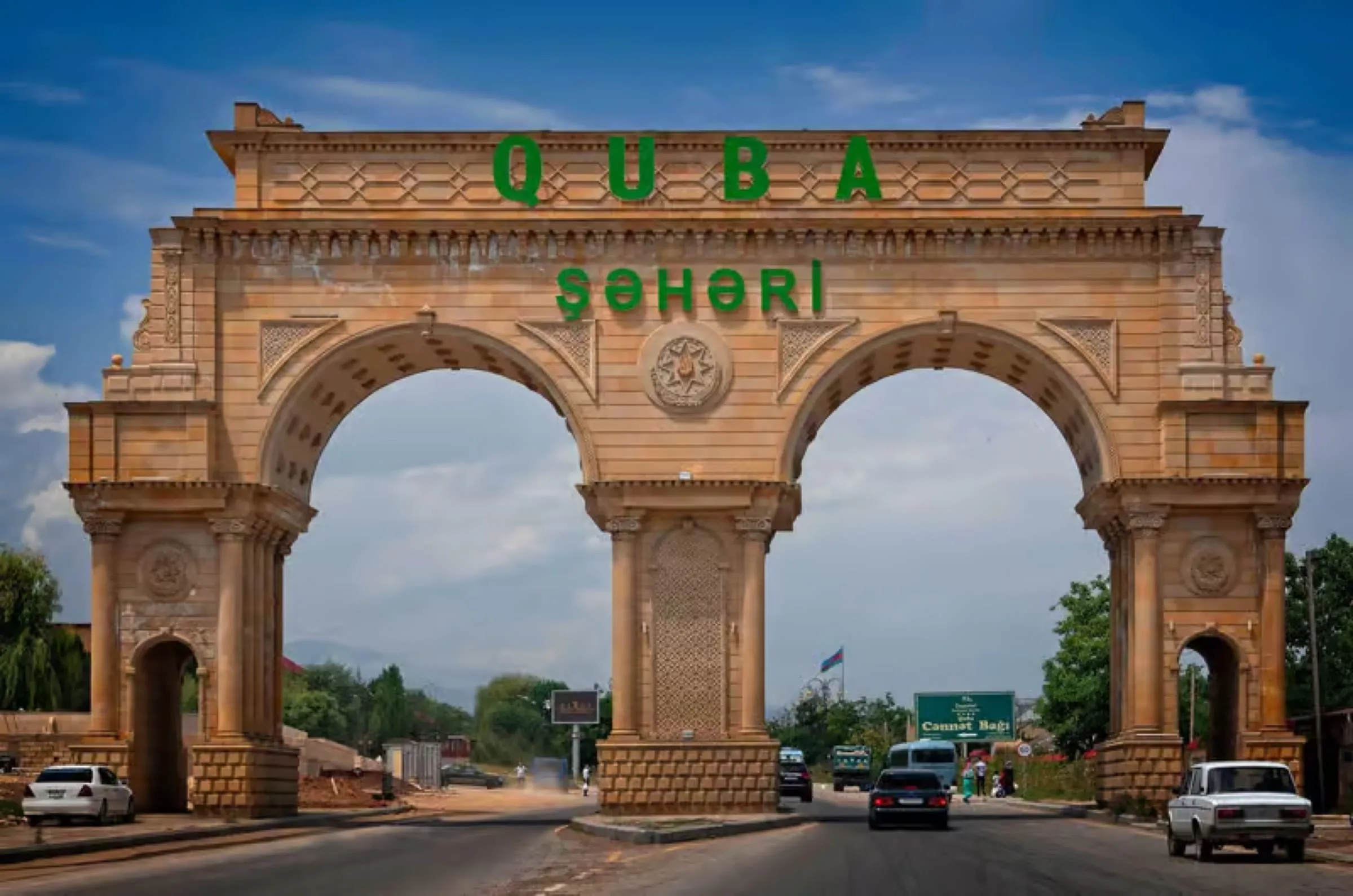
Quba
Northern apple-and-carpet region, gateway to Shahdag and to the Candy Cane Mountains.
Included in 5 tours
Ready to plan your trip?
Tell us your dates and group size and we will put together the right itinerary and vehicle.
Or call +994 77 199 17 55 , 08:00 to 20:00, 7 days a week