
City guides
Shopping in Baku: Nizami Street, the Malls and the Bazaars
A guide to every major shopping destination in Baku, from Nizami Street and Port Baku Mall to Teze Bazar.
Baku shops in two entirely separate registers. There is the international one, all glass and familiar logos, concentrated in a dozen large malls and along one pedestrian boulevard. And there is the older one, conducted in covered markets and in workshops in the Old City, where prices are not printed and the transaction is a conversation.
Most visitors stay in the first and never find the second. This guide covers both properly, with what each place is genuinely good for, and is honest about which are worth an afternoon and which are worth twenty minutes.
The short version
- Nizami Street, which locals still call Torgovaya, is the main pedestrian shopping street and runs for roughly three kilometres through the centre.
- Malls generally open around ten in the morning and run until ten at night, seven days a week. Bazaars are morning places and thin out by mid afternoon.
- Haggling is expected at bazaars, carpet dealers and workshops. It is not appropriate in malls or anywhere the price is printed.
- Carry cash in manat for the bazaars. Cards work almost everywhere else.
- An antique carpet needs an export certificate. This is the most expensive thing visitors get wrong here.
Nizami Street, the main shopping street
Nizami Street is the spine of shopping in central Baku and the single busiest retail address in the country. Almost nobody calls it by its official name. To locals it is Torgovaya, the Russian word for trade, which is what it has been since the oil boom of the late nineteenth century built the facades that still line it.
It runs pedestrianised for roughly three kilometres, from the area near the Old City out towards the east, and it passes through Fountains Square at roughly its midpoint. The buildings are the real attraction: restored mansions from the first oil era, lit at night, in a mix of neoclassical and local styles that reward looking up.
What it contains is international high street brands, largely the same ones you have at home, at broadly comparable prices. Zara, Mango, LC Waikiki, the usual sportswear names, jewellers, opticians, pharmacies and a dense run of cafes. As a destination for buying things you cannot buy elsewhere it is therefore not especially compelling.
As a place to spend an evening it is one of the better things the city does. The crowd comes out after dark, particularly on Friday and Saturday, and the stretch through Fountains Square becomes the social centre of Baku. The practical value for a traveller sits alongside that: this is where to find a reliable pharmacy, get a phone fixed, or change money at rates that beat both the hotels and the airport.
The shopping malls, and what each is actually for
Baku has built a great many malls in the last two decades and searches for them dwarf every other shopping query in the country. They are more alike than different, but they are not interchangeable, and the right one depends entirely on what you are there for.
Port Baku Mall is the luxury destination. International designer labels, a considerably calmer atmosphere than the others, and the only one where the building itself is genuinely pleasant to spend time in. If you are shopping for a serious purchase or simply want somewhere civilised to sit, this is it.
Ganjlik Mall is the largest and the most useful for ordinary shopping. A full spread of mid market international brands, a large supermarket, a cinema and a substantial food court. It sits beside Ganjlik metro station, which makes it easy to reach without a car, and it is the one to choose if you need to buy actual clothes rather than browse.
Park Bulvar is the most central, sitting on the Boulevard at the seafront edge of the city. It is older than the newer arrivals and smaller than Ganjlik, but its position is unbeatable: you can walk out of it straight onto the waterfront promenade. It carries a cinema, a bowling alley and a food court with views over the Caspian, which makes it the mall most worth visiting for reasons other than shopping.
Deniz Mall is the newest and the most photographed, built on the Boulevard in the shape of a ship's sail. It functions more as a waterfront leisure complex than a shopping centre, with a strong emphasis on family entertainment, restaurants and the building itself. Come for the architecture and the sea, not the retail.
28 Mall sits directly on top of 28 May metro station, which is also the interchange for the main railway station. That convenience is most of its appeal. It is mid market, busy, and the easiest mall in the city to reach from anywhere on the metro network.
Baku Mall and Amburan Mall serve residential districts away from the tourist centre. They are perfectly good and almost entirely local, which is either the reason to go or the reason not to, depending on what you are after. Metropark and Crescent Mall fill similar roles closer in.
The honest summary is that no mall in Baku will show you something you cannot buy at home, and a visitor on a short trip should not spend an afternoon in one. Their real value is practical: air conditioning in July, a supermarket to stock up before a mountain drive, a cinema on a wet evening, and somewhere to go when the wind is up and the Boulevard has become unpleasant. Opening hours are long, typically ten in the morning until ten at night, every day of the week, though it is worth confirming current hours before a special trip.
Teze Bazar and the markets
Teze Bazar, which you will also see written as Taza Bazar, is the large covered market north of the centre and the most rewarding shopping in Baku. It sells fruit, vegetables, meat, cheese, spices, nuts, dried fruit, tea, honey and preserves, at a volume and a decibel level no mall can approach.
Traders offer samples insistently and expect you to take them. This is ordinary etiquette rather than a sales technique, and accepting a piece of dried melon commits you to nothing. The spice and dried fruit aisles are where the photographs come from and where the best value sits, particularly on saffron, nuts and the whole fruit preserves.
Yashil Bazar, the green market, is smaller, closer to the centre and considerably gentler. It carries the same categories with less noise, which makes it the better first bazaar if Teze sounds daunting.
Go in the morning. Bazaars fill early, produce is at its best before noon, and by mid afternoon both the selection and the atmosphere have thinned. Bring cash in manat, because very few stalls take cards.
Prices are negotiable but margins on food are thin, and hard bargaining over a bag of walnuts marks you out unfavourably. Ask, offer a little below, settle quickly, and accept the tea if it is offered.
The Old City, carpets and the workshops
The lanes of Icherisheher, the walled Old City, carry the highest concentration of craft and souvenir shops in Baku. Quality varies enormously. A great deal of what is described as handmade is not, and identical mass produced items appear in shop after shop at wildly different prices, with the worst value immediately inside the main gates where the tour groups enter.
Carpets are the exception and the reason to be here. Azerbaijani weaving is a serious tradition with distinct regional schools, among them Quba, Shirvan, Ganja, Karabakh and Tabriz, each with its own patterns and palette. Almost all of them work variations on the buta, the teardrop motif that travelled west and became paisley. A good dealer will turn a carpet over, show you the knot density, name the school and tell you honestly whether it is old or new.
Spend an hour in the Azerbaijan Carpet Museum before you shop. It is the single most useful preparation available, it is one of the most visited attractions in the country for good reason, and an hour in front of museum grade pieces recalibrates your eye before anyone tries to sell you anything.
The workshops are the underrated part of the Old City. Coppersmiths, ceramicists and a handful of silk printers work in the side streets, and buying directly from the person who made the object is cheaper and far more interesting than buying the same category from a display case.
How haggling works here
The rule is simple. If the price is printed, it is fixed. If it is not, it is negotiable. Malls, chain shops and supermarkets are fixed. Bazaars, souvenir stalls, carpet dealers and workshops are not.
Where it applies, the tone is friendly rather than adversarial. Ask the price, look unhurried, name something meaningfully lower, and expect to settle in between. Walking away is a legitimate move and is often answered with a better number before you reach the door.
On carpets and larger purchases the gap between the opening price and the real one can be substantial, and the conversation is expected to take time and involve tea. Rushing it is the one thing that guarantees you pay more.
Do not haggle in restaurants, in pharmacies, or with a taxi driver who has already used a meter or an app.
Taking it home: export rules that matter
This is the part most guides leave out, and the part that costs people money.
Carpets of genuine age are treated as cultural property. Exporting an antique carpet requires a certificate confirming it may legally leave the country, obtained through the relevant cultural authority, and a reputable dealer arranges this as a matter of course and supplies it with the sale. A dealer who waves the question away is telling you something important, either about the carpet's real age or about his reliability. Modern carpets, which is the overwhelming majority of what is sold, are unrestricted.
The same principle covers anything genuinely antique. Old manuscripts, icons, coins and archaeological objects are restricted, and buying them from an informal seller is a poor idea on several levels at once.
Caviar may be exported only in small personal quantities, only from a licensed seller, and only with the CITES labelling intact on a sealed tin. Caviar sold loose at a bazaar or offered by an individual cannot legally leave the country whatever you are told, and confiscation on arrival is the usual outcome.
Rules change. Confirm the current position with the seller and, for anything valuable, with the Azerbaijani customs service before committing. If the language is the obstacle, your driver can ask for you.
Where the better things actually come from
Almost everything worth carrying home is made outside Baku and is cheaper, better and unambiguously genuine at its source.
Basqal, in the Ismayilli region, is where kelagayi silk scarves are block printed by hand, a craft carrying UNESCO recognition. Lahij, in the mountains nearby, has been a coppersmithing village for centuries and still hammers plates and jugs while you watch. Sheki produces the halva that is unlike halva anywhere else. The Gabala forests supply honey and walnut preserves that never reach a Baku shelf in the same condition.
These are day trip destinations rather than city errands, which is the practical argument for building them into a touring day instead of leaving shopping to a last afternoon. Because our tours are private and priced per vehicle, a workshop stop costs time rather than money, and the vehicle carries what you buy for the rest of the day instead of you carrying it.
Shopping without a car, and when you need one
Central Baku shopping needs no vehicle at all. Nizami Street, Fountains Square, the Old City, Park Bulvar, Deniz Mall and Yashil Bazar sit inside a compact walkable core, and the metro reaches Ganjlik Mall and 28 Mall directly for the price of a token.
Teze Bazar is the exception worth driving to, both because it is further north and because carrying a bag of produce back across the city is unappealing. On a tour it slots naturally into the start of a day heading out of Baku.
The workshops outside the city are the real case for a vehicle. Basqal and Lahij are not reachable in any convenient way by public transport, and both sit close to routes we already drive on the western itineraries. Say so when booking and we will route through them.
Frequently asked questions
What is the main shopping street in Baku?
Nizami Street, which locals still call Torgovaya. It is pedestrianised, runs about three kilometres through the centre, passes through Fountains Square, and carries mostly international high street brands. It is a better evening walk than a shopping destination.
What are the best shopping malls in Baku?
Port Baku Mall for luxury brands, Ganjlik Mall for the largest general selection and easy metro access, Park Bulvar for its position directly on the Boulevard, Deniz Mall for the sail shaped building and waterfront leisure, and 28 Mall for sitting on top of a metro interchange. Most open around ten in the morning until ten at night, seven days a week.
Where is Teze Bazar and what is it good for?
Teze Bazar, also written Taza Bazar, is the large covered market north of the centre. It is the best place in Baku for spices, saffron, nuts, dried fruit, tea, honey and whole fruit preserves. Go in the morning and bring cash in manat, as few stalls take cards.
Can you haggle in Baku?
At bazaars, souvenir stalls, carpet dealers and workshops, yes, and it is expected. In malls, chain shops and supermarkets, no. The rule of thumb is that a printed price is a fixed price.
Where should I buy a carpet in Baku?
The Old City carries the main concentration of dealers. Visit the Azerbaijan Carpet Museum first, because an hour with museum grade pieces makes it much harder to be sold something misdescribed. A good dealer will show you the back, count knots with you and name the regional school.
Can I take an Azerbaijani carpet out of the country?
Modern carpets, yes, without restriction. Genuinely antique carpets are cultural property and need an export certificate from the relevant authority, which a reputable dealer arranges and includes with the sale. If a seller dismisses the question, treat it as a warning.
What time do shops open in Baku?
Malls typically run from around ten in the morning until ten at night, seven days a week. Shops on Nizami Street keep similar hours. Bazaars are morning places, best before noon, and thin out considerably by mid afternoon. Confirm current hours before making a special trip.
Places mentioned in this guide
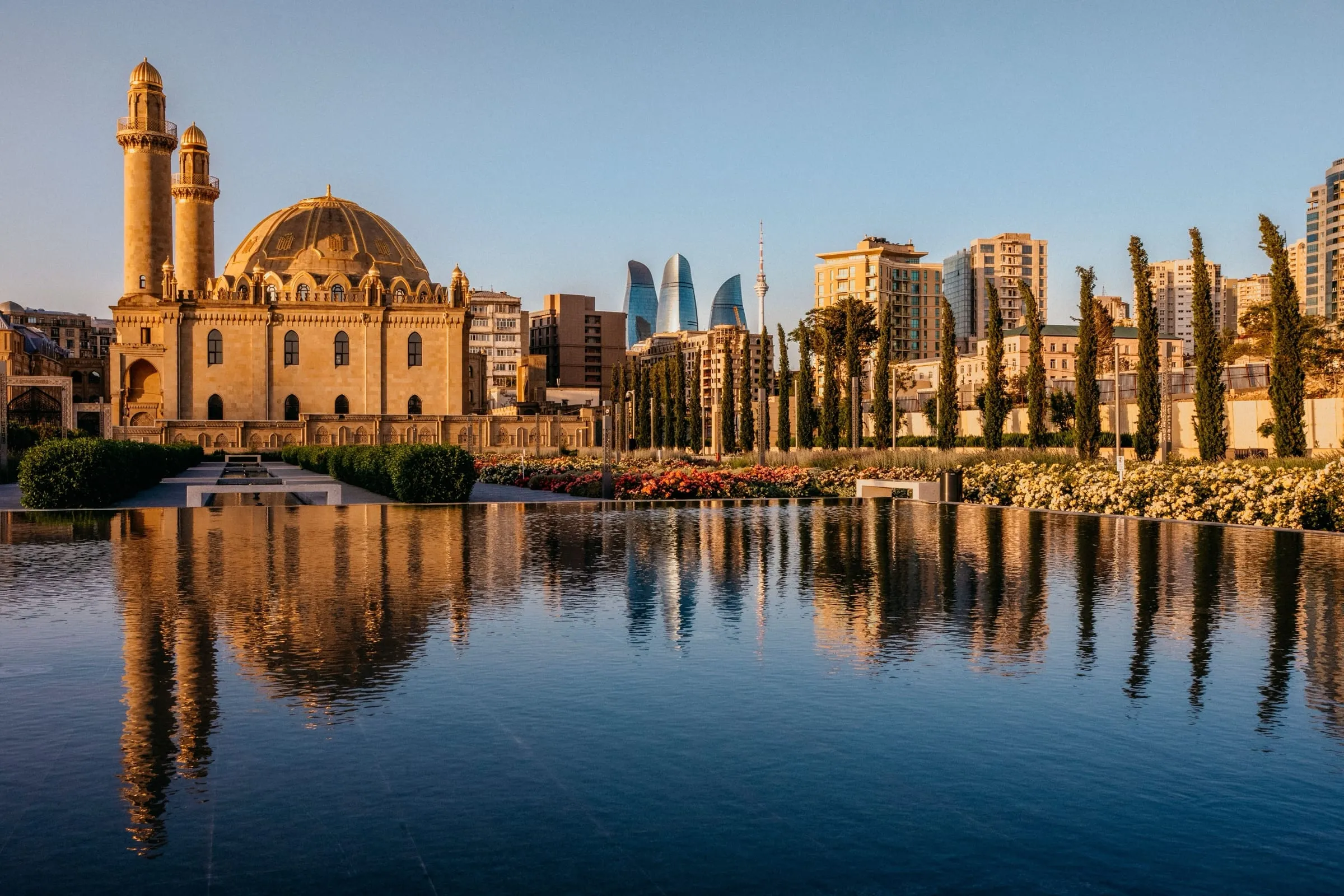
Baku
Azerbaijan's capital on the Caspian. A UNESCO-listed walled Old City ringed by modern towers and seafront parkland.
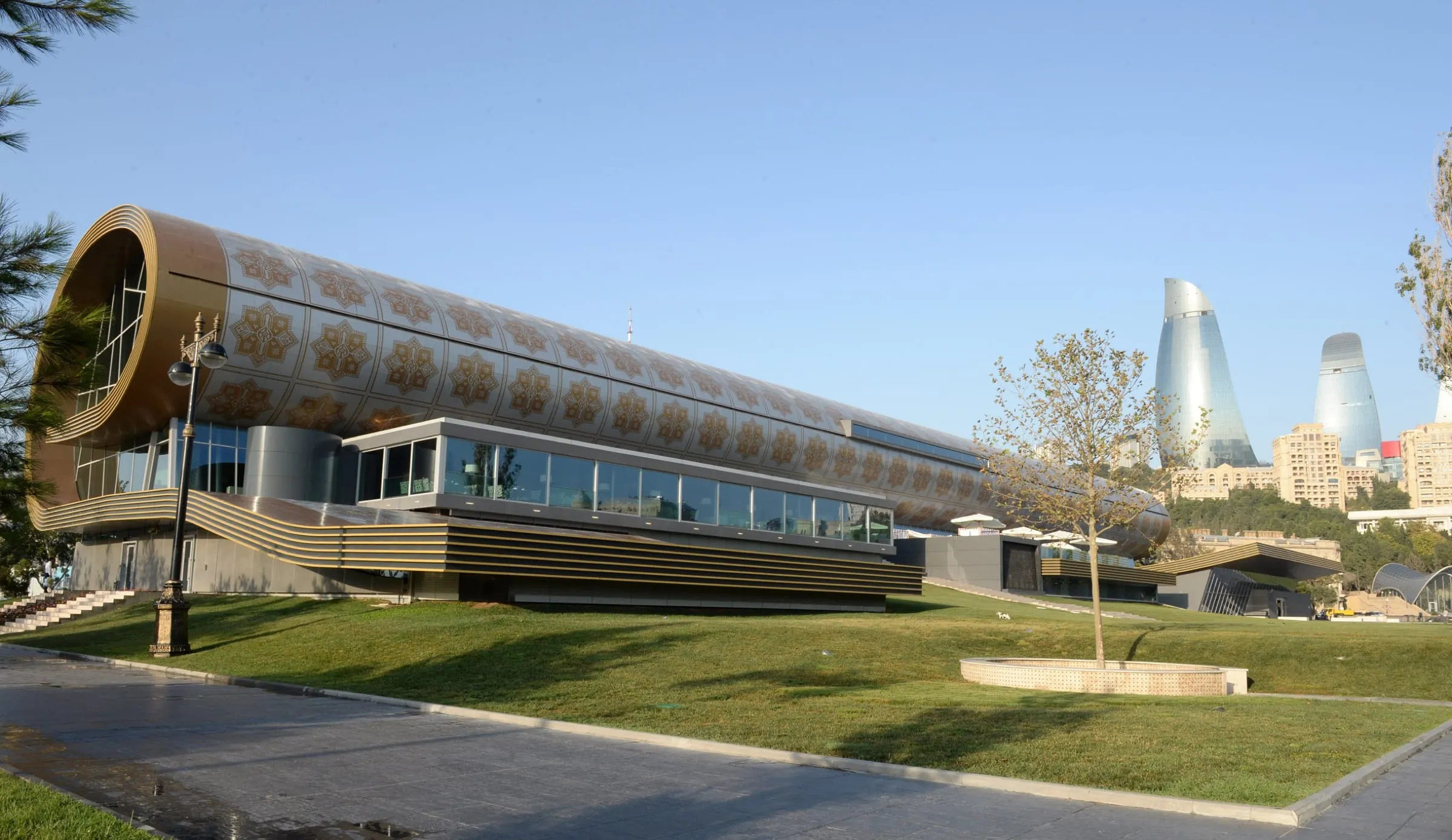
Azerbaijan National Carpet Museum
The world's first museum dedicated to carpets, in a building shaped like a rolled rug on the Baku seafront.
Ready to plan your trip?
Tell us your dates and group size and we will put together the right itinerary and vehicle.
Or call +994 77 199 17 55 , 08:00 to 20:00, 7 days a week