
Practical
Best Time to Visit Azerbaijan: Weather and Seasons
What each season actually delivers, month by month, and when to come for what you want.
Azerbaijan packs an unusual range of climates into a small country. The Caspian coast is semi-arid, the southern lowlands are humid subtropical, and the Caucasus behind Baku are alpine with a real winter. That means the answer to when to visit depends more than usual on what you intend to do.
The short version: late April to June and September to October are the strongest windows overall. Below is what each part of the year actually delivers, including the parts that guidebooks tend to smooth over.
The short version
- Spring and autumn are the best all round windows. Comfortable temperatures, green landscape, everything open.
- July and August are hot on the Baku plain, which is why domestic tourism heads for the mountains then.
- December to March is the Shahdag ski season, and markedly cheaper than comparable European resorts.
- Baku is windy all year. The name is popularly tied to a phrase meaning city of winds, and it earns it.
- Novruz in late March is the biggest holiday of the year. Wonderful to witness, and much of the country closes for it.
Spring, April to June
This is the best of it. The countryside turns green, the mountain roads reopen, and temperatures on the plain sit in a range where walking around the Old City for three hours is a pleasure rather than an endurance test.
April can still be unsettled, with rain and a cold edge at altitude, and some higher mountain routes may not be fully clear early in the month. May is close to ideal everywhere. June is warm and still comfortable, and it is the last month before the coastal heat becomes the defining feature.
Spring is also when the landscape around Gabala, Sheki and Quba is at its most photogenic, with orchards in blossom and the higher slopes still holding snow above green foothills.
Summer, July and August
Hot on the Baku plain, and dry. Daytime temperatures climb into the thirties and the city becomes a place you move through in the morning and the evening, hiding indoors or in the shade through the middle of the day.
This is precisely why Azerbaijanis head for the mountains in summer. Gabala, Shahdag, Lahij and Quba sit ten degrees or more cooler, and the forests and rivers up there are the country's own summer holiday. Accommodation in those places needs booking well ahead in this window, because domestic demand is genuinely high.
The upside on the coast is the Caspian itself, and the beach resorts north of Baku run their season now. The other upside is that the fire sites and Gobustan are unaffected by heat in the way a walking tour of the capital is. Plan around the middle of the day and summer works perfectly well.
If you are travelling in this window, our advice is the same one we give about Yanardag: shift everything outdoors to the early morning and the evening, and use the middle of the day for museums.
Autumn, September and October
The other strong window, and for some purposes the best of the year. The heat breaks in September, the light gets long, and the landscape turns.
This is harvest season. The vineyards around Shamakhi and Ganja are picking, the pomegranates come in around Goychay, and the forests around Gabala and Quba turn colour through October. The food is at its best because everything is in season at once, and the bazaars are fullest.
October is quieter than the spring peak in terms of visitor numbers, which shows at the popular sites. Early November is still workable, though the weather becomes less reliable and the mountain days shorten noticeably.
Winter, November to March
Baku in winter is mild rather than cold, hovering a few degrees above freezing at worst, but it is persistently windy and that wind off the Caspian makes it feel considerably colder than the number suggests. Pack for wind rather than for frost.
The mountains are a different country. Shahdag runs a full ski season, typically December into March or April depending on snowfall, with modern lifts and hotels built in the last fifteen years. It is markedly cheaper than comparable European resorts and much less crowded, which is the strongest argument for a winter trip here.
The compensations in the capital are real: the museums are empty, the Old City has no queues, hotel rates are at their lowest, and a tea house in January is a genuinely pleasant place to be. If you are coming for culture rather than landscape, winter is underrated.
The constraint is the mountain roads. Snow closes higher passes, and routes that are trivial in June may require a four wheel drive or be impassable. We say so rather than promising an itinerary the conditions will not support, and our winter package is built specifically around what works in that season.
Novruz, and the other dates that matter
Novruz, around the spring equinox in late March, is the biggest holiday in the Azerbaijani year and it is genuinely worth seeing. Bonfires, jumping over flames, sweets made only for this, and families out in the streets for several days.
The practical side is that the country substantially shuts down for it. Public holidays run for several days, many businesses close, transport is full, and domestic travel is at its annual peak. Coming for Novruz is a wonderful decision; coming during Novruz without knowing it is happening is a frustrating one.
Ramadan is observed but does not close restaurants or affect visitors much, since Azerbaijan is secular in practice. Eid holidays shift each year and bring closures similar to a long weekend.
One more: Baku hosts a Formula 1 street race, usually in the spring, run on closed roads through the city centre and around the Old City walls. In that week hotel prices multiply and central Baku is partly inaccessible by car. Check the date before booking if you are not coming for the race.
What to pack, whenever you come
A windproof layer, in every season. This is the single most useful thing to know about Baku's climate and the one most visitors get wrong.
Comfortable shoes with some grip. The Old City is cobbled and uneven, Gobustan involves a walking trail, and the mountain sites are not paved paths.
Sun protection from May to September, which is more intense than the temperature alone suggests.
For mosques and some religious sites, something to cover shoulders and, for women, a scarf for the head. Carrying a light scarf saves being turned away, and a kelagayi bought locally does the job while being a souvenir.
In winter, layers rather than one heavy coat, because the difference between Baku and the mountains on the same day can be fifteen degrees.
Frequently asked questions
What is the best time of year to visit Azerbaijan?
Late April to June and September to October. Both give comfortable temperatures, green landscape and full access to the mountain roads. Autumn adds the grape and pomegranate harvest and the forest colour around Gabala and Quba.
How hot does Baku get in summer?
Daytime temperatures on the Baku plain climb into the thirties in July and August, and it is dry. It is why Azerbaijanis head for the mountains in summer, where Gabala and Shahdag sit ten degrees or more cooler.
Is a winter trip worth it if I do not ski?
Yes, and it is underrated. Museums are empty, the Old City has no queues, hotel rates are at their lowest and the capital stays mild rather than freezing. The constraint is the mountain roads, where snow closes the higher passes and some summer routes become impassable.
Is Baku cold in winter?
Mild rather than cold, usually a few degrees above freezing at worst, but persistently windy, and the wind off the Caspian makes it feel much colder than the temperature suggests. Pack for wind rather than for frost.
Why is Baku so windy?
Its position on an exposed peninsula jutting into the Caspian. The name is popularly linked to a Persian phrase meaning city of winds, and it is a year round feature rather than a seasonal one. Carry a windproof layer even in summer.
Should I visit Azerbaijan during Novruz?
It is wonderful to witness, with bonfires and street celebrations around the spring equinox in late March, but much of the country closes for several days and domestic travel peaks. Come for it deliberately rather than by accident.
Places mentioned in this guide
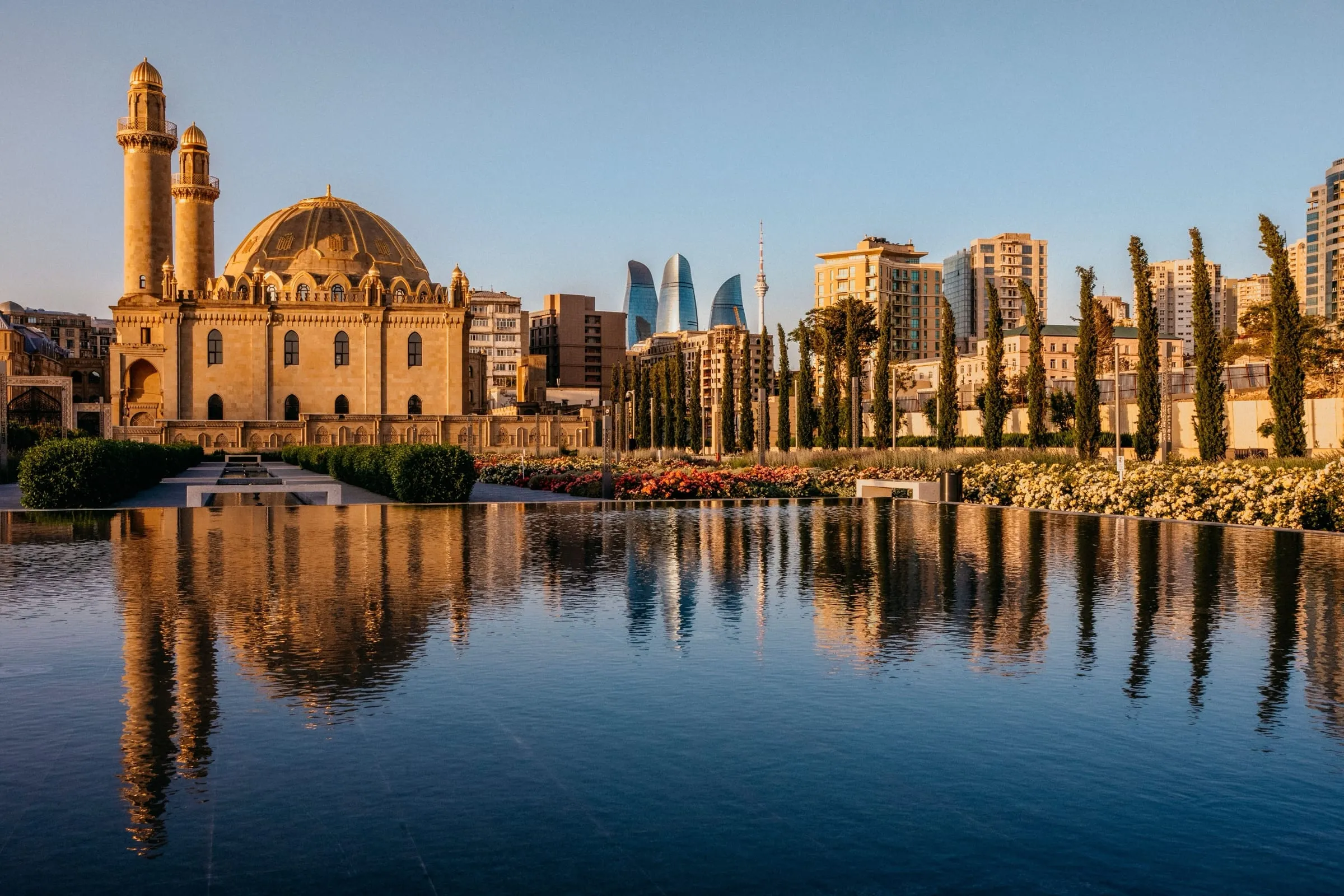
Baku
Azerbaijan's capital on the Caspian. A UNESCO-listed walled Old City ringed by modern towers and seafront parkland.
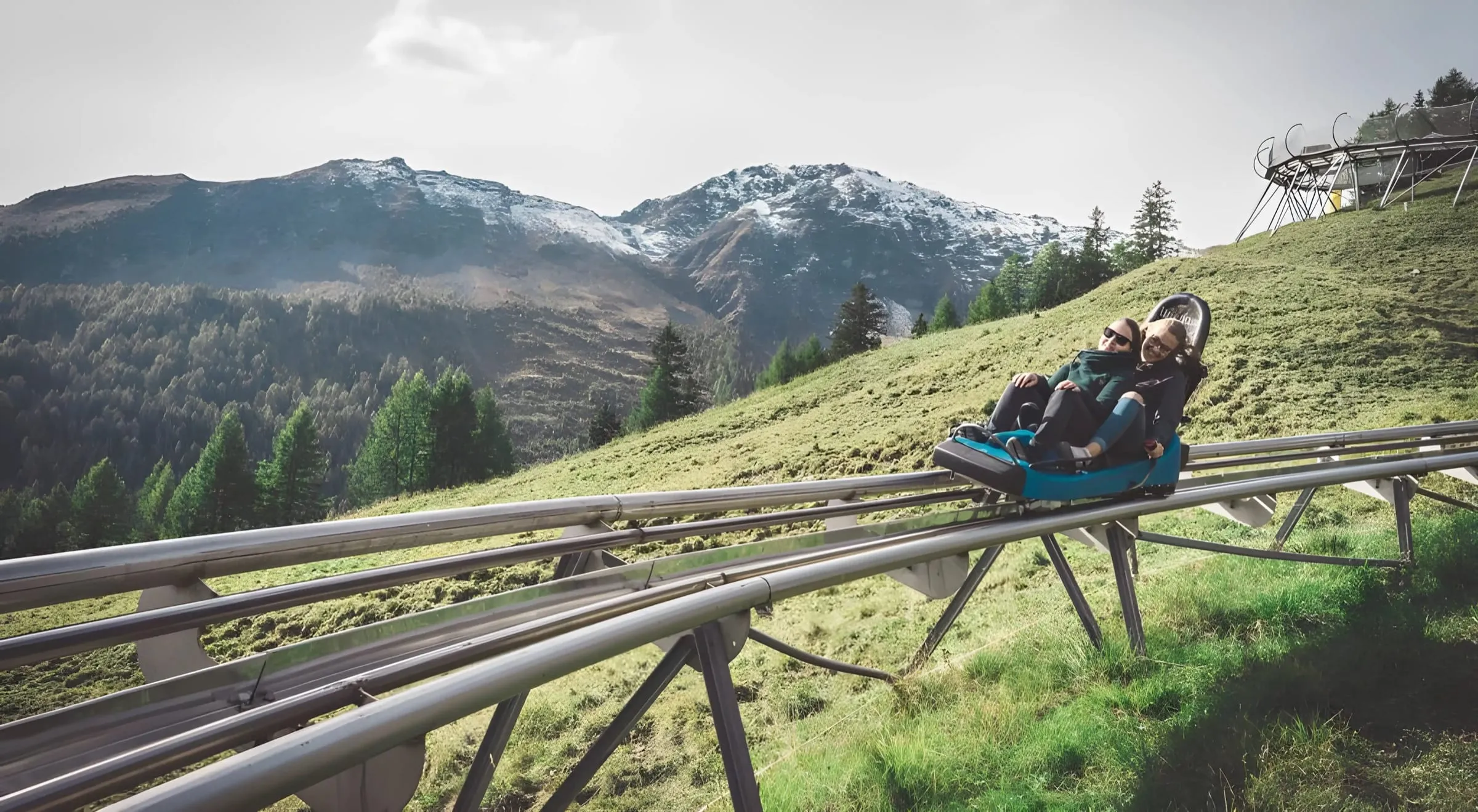
Shahdag
Azerbaijan's flagship mountain resort. Winter skiing, and cable cars, ziplines and paragliding the rest of the year.
Included in 3 tours
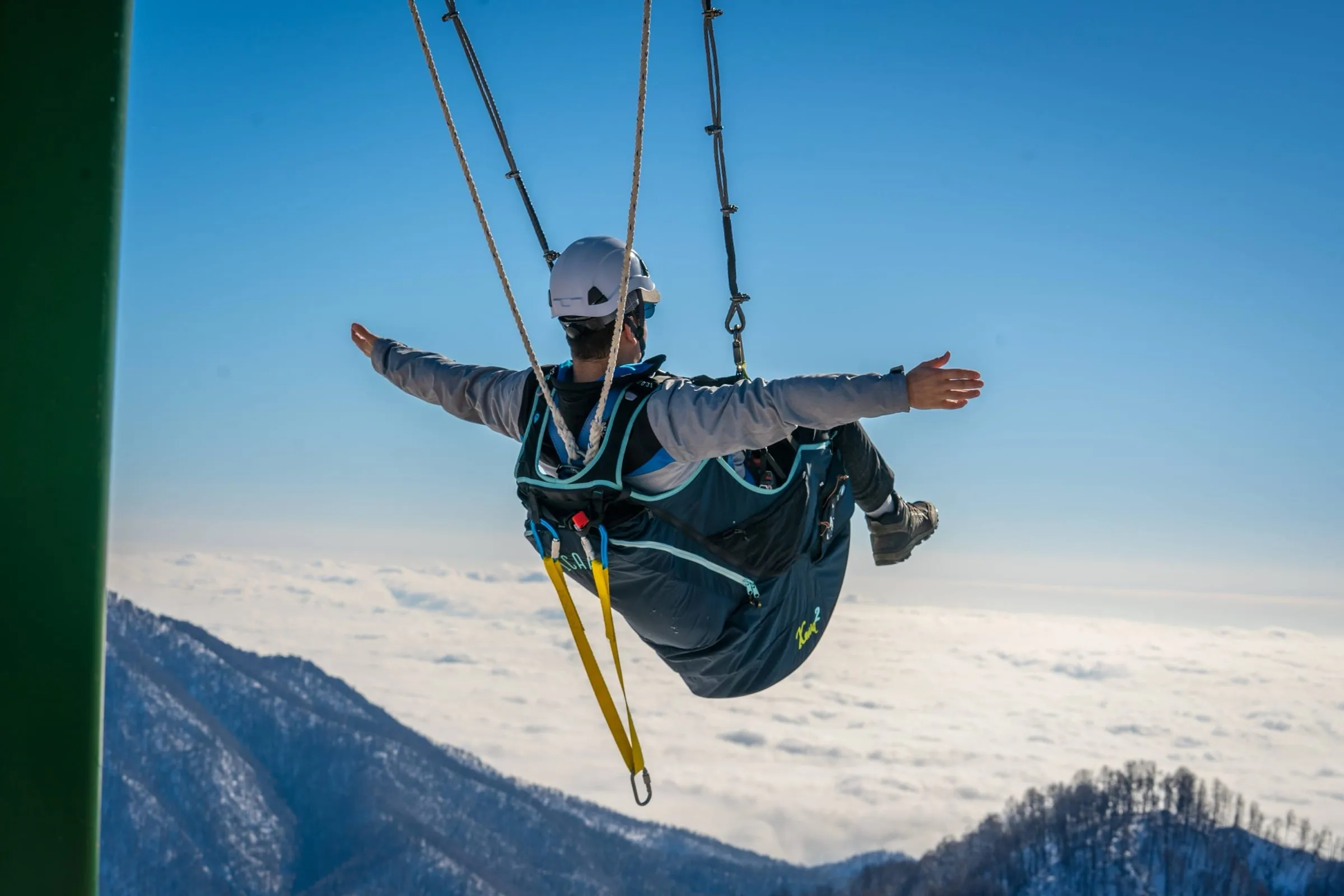
Gabala
Forested foothills resort town in the Greater Caucasus. Cable cars, waterfalls, lakes and wine country nearby.
Included in 5 tours
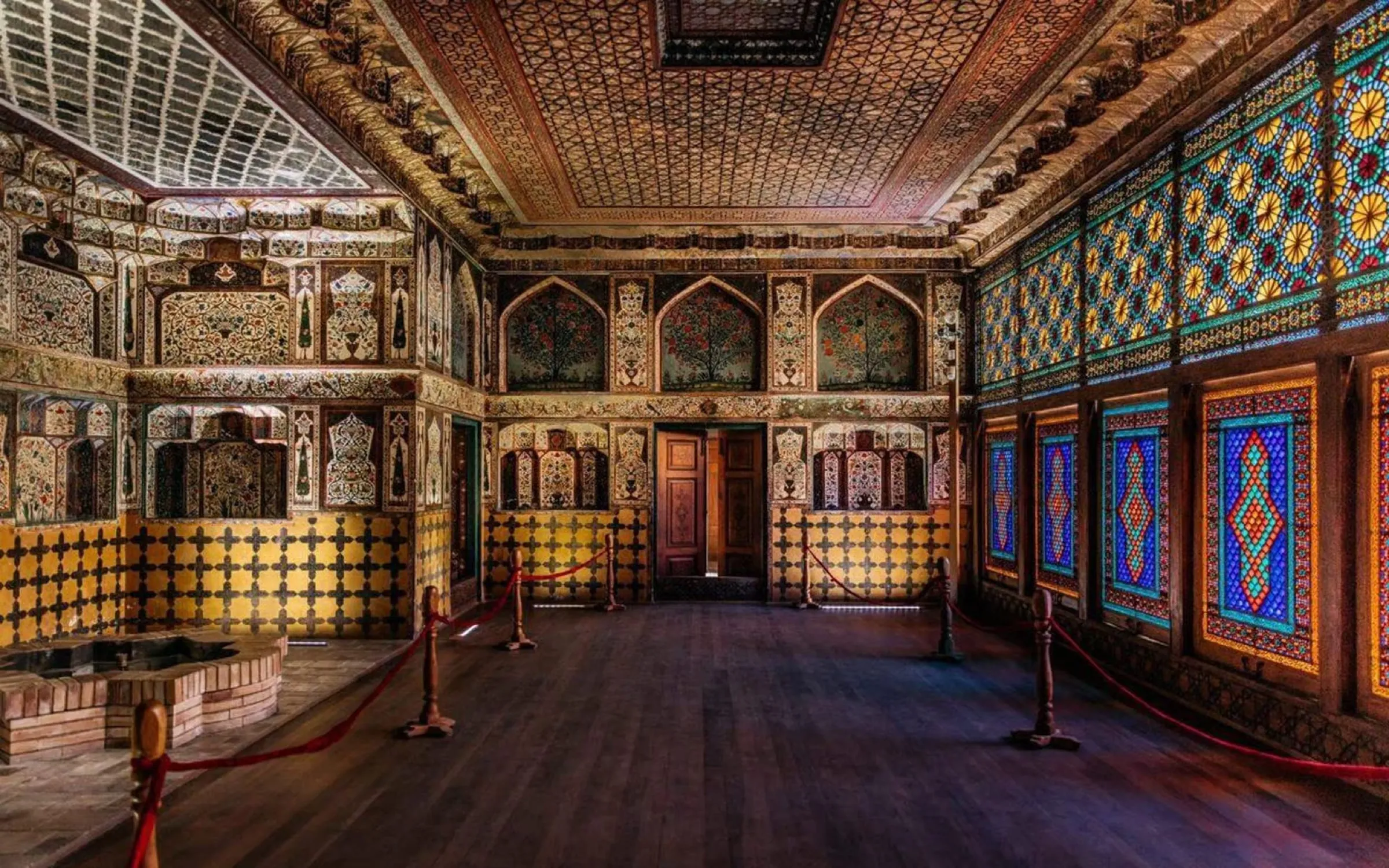
Sheki
UNESCO-listed Silk Road town in the Caucasus foothills, famous for the Khan's Palace and its stained-glass shebeke windows.
Included in 2 tours
Ready to plan your trip?
Tell us your dates and group size and we will put together the right itinerary and vehicle.
Or call +994 77 199 17 55 , 08:00 to 20:00, 7 days a week